

When a player hears about roulette wheel bias casinos, the first question is usually whether the spin really leans one way or if it is just noise. The idea sounds like a clever edge, but the reality sits somewhere between old mechanical quirks and modern digital randomness. Real money tables do not hand out secrets, and any claim that a wheel is predictably tilted needs hard evidence, not a chat-room story. We look at how the concept actually shows up on the felt, what a player can verify, and where the myth ends. For a clearer picture of how digital table games fit alongside other entertainment options, you might also check the book of dead slot in ancient ruins gaming before weighing your next session.
How the Bias Idea Shows Up at the Table

The phrase roulette wheel bias casinos usually points to a belief that certain wheels favour a pocket, a sector, or a sequence over time. In a physical casino, that idea came from unbalanced wheels, worn bearings, or uneven frets that nudged the ball toward a repeatable zone. A sharp observer could log outcomes, map the bias, and play the numbers that appeared more often than chance suggested. That is a long game, not a quick win, and it demands disciplined record-keeping rather than gut feeling.
Online, the concept shifts because the wheel is rarely a physical object at all. Digital tables run on randomised outcomes, and the visible spin is a presentation layer over a result already decided by the system. A player watching for a tilted pocket on screen is usually watching a well-designed animation, not a mechanical flaw. That does not mean every table is identical in feel. Some platforms tune their interface, sound, and pacing to create a particular rhythm, and that rhythm can shape how a session feels more than any hidden numerical edge.
Andrew Brown, Head of Analytics, Kangaroo Point Analytics, puts it plainly: “The moment someone claims a digital wheel is biased, the first question should be about sample size and method, not the wheel itself.” His point matters because a short run of lucky numbers looks like a pattern until you extend the dataset and the picture changes. A player who treats a handful of spins as proof is usually reading noise as a signal.
The practical takeaway is that the bias idea survives because it gives the player a sense of control. If a wheel can be read, then the game feels less random and more like a problem to solve. That feeling is useful in itself, but it should not be mistaken for a real edge unless the evidence is concrete, repeated, and independent of the player’s own hopes.
| Detail | What It Means on the Floor |
|---|---|
| Wheel type | Physical wheel bias is mechanical; digital tables use randomised outcomes |
| Player task | Log results over a long session, not a single visit or short run |
| Edge claim | Needs repeated, verifiable data, not a story from one night |
| Interface feel | Pacing and animation can shape perception more than numbers |
Reading a Session Without Chasing Mirages
What a Player Can Actually Track
A sensible session starts with a simple log, not a theory. The player notes the table, the stake, the result, and the time, then keeps doing that long enough to see whether anything repeats beyond normal variance. The goal is not to prove the wheel is biased on the first arvo; it is to build a record that can be checked later without memory doing the heavy lifting. A notebook or a tidy spreadsheet works better than a mental tally, because memory tends to keep the wins and blur the rest.
Lucas Parker, Head of Product, Southern Star Esports, offers a useful caveat: “If a product feels patterned, the design team usually knows exactly why, and it is rarely an accident.” That is a reminder that what looks like a tilt can be intentional pacing, visual emphasis, or a sequence designed to hold attention. A player who understands that distinction is less likely to mistake a polished interface for a broken wheel.
The practical test is consistency. If a number or sector appears more often, does it hold up across different sessions, different stakes, and different days? If the answer is no, then the pattern was probably a short run, not a bias worth building a plan around. If the answer is yes, then the player still needs to separate a real mechanical issue from a statistical fluke before changing behaviour. That is slow work, and it is exactly why the idea of roulette wheel bias casinos stays interesting without becoming a shortcut.
Where the Myth Gets Expensive
The expensive version of this idea is the one where a player keeps chasing a bias that never shows up outside their own notes. They increase stakes, extend the session, and start treating a hunch like a system. That is where the game stops feeling like a table and starts feeling like a personal project with a budget. The risk is not just the loss; it is the way a half-proven theory can justify longer play than the bankroll really supports.
A better habit is to treat every bias claim as a hypothesis, not a plan. The player writes down what they expect, what would count as evidence, and what would make them stop. That small bit of structure keeps the session from drifting into wishful thinking. It also makes the difference between a measured night out and a long, tiring run that feels productive only because it is busy as a checkout queue on a Saturday.
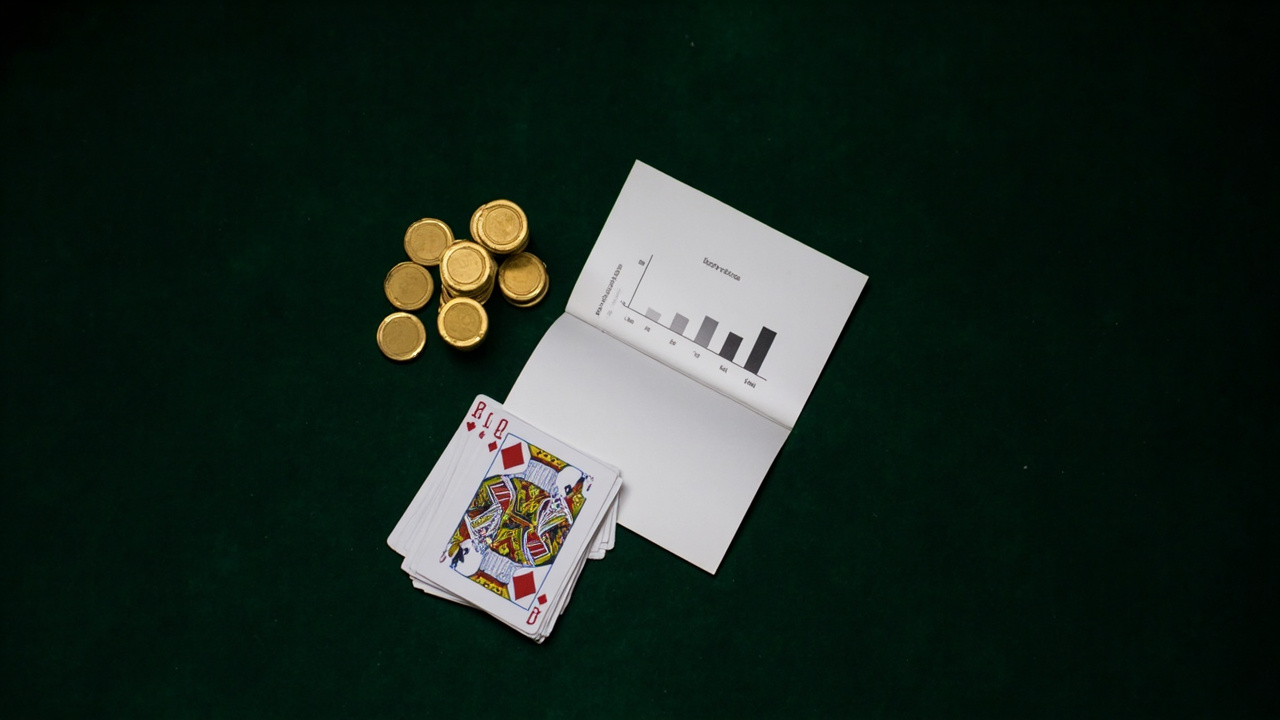
For beginners, the cleanest approach is simple. First, pick one table and one session length, then stick to both before changing anything. Second, log results without editing them afterward to make the story neater. Third, decide in advance what would make you walk away, and treat that limit as part of the plan rather than a failure. Fourth, leave the theory in the notebook until the numbers have actually earned a second look. That is not glamorous, but it keeps the game readable and the session under control.
What This Means for the Player’s Choices
A player looking at roulette wheel bias casinos is usually asking a broader question: can I read this table well enough to play with more confidence? The honest answer is that confidence comes from understanding the game’s structure, your own limits, and the difference between a pattern and a story. The wheel, whether physical or digital, is only one part of that picture. The rest is how you log, how you pace, and how quickly you accept that a short run is not a system. book of dead slot in ancient ruins gaming
That mindset matters more than any single claim about a tilted pocket. It keeps the session focused on what can be observed and what cannot. It also makes it easier to walk away when the numbers stop cooperating, instead of inventing a new explanation on the fly. In Sydney, where a night at the tables can turn into a long session if the pace is not checked, that discipline is worth more than a clever-sounding hunch.
The bias idea is not useless, but it is often overused. It gives players a reason to watch closely, which is good, and it gives them a reason to keep logging, which is also good. What it should not do is convince anyone that a short run of results is a reliable map. The table remains a game of chance with a presentation layer, and the smartest move is to treat both parts honestly.
If a player wants a real edge, it is usually found in discipline, record-keeping, and knowing when the session has done enough. The wheel may be fascinating, but the session is what you actually control.
